Front Line Ag | 217-305-5475

Get the Ag Info and Tools That You Need
Front Line Ag is pleased to offer growers like you the agronomic tools, information, and other resources that can make your work more efficient and productive. Explore them now!
Pre-Harvest Scouting Tips
Corn harvest has started in our area, and as we continue to get rolling, stalk quality is something to keep an eye on. We touched on this a few weeks back with our text about Anthracnose and stalk rots. At that point, we were seeing it mainly in the early April planted corn, but we have continued to see some of those issues show up in later planting dates as well.
Fields can change quickly this time of year. As corn continues to dry down, plants with weaker stalks can become more vulnerable to lodging, especially with wind or wet weather.
On the soybean side, if you come across an area of unusually premature plant death, don't be afraid to give us a call. We'd be happy to take a look and check for Red Crown Rot.
Have you noticed more extreme senescence on the end rows of corn fields? Check out this interesting video that touches on one reason why that could be.
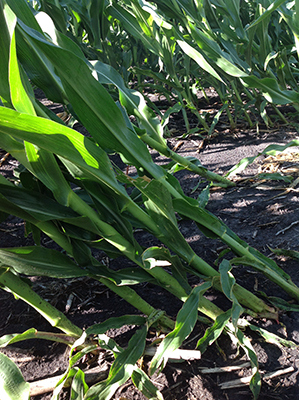
Yellow, Stunted Corn on Field Edges? Here's the Science Behind It.
Pioneer Crop Doctorate

Red Crown Rot Spotting
We've found our first local cases of Red Crown Rot in the area. Check out this short clip where Chase goes into a little more detail on what Red Crown Rot is, what to look for, and what it could mean for your soybean fields.
Be On The Lookout for Crown and Stalk Rot
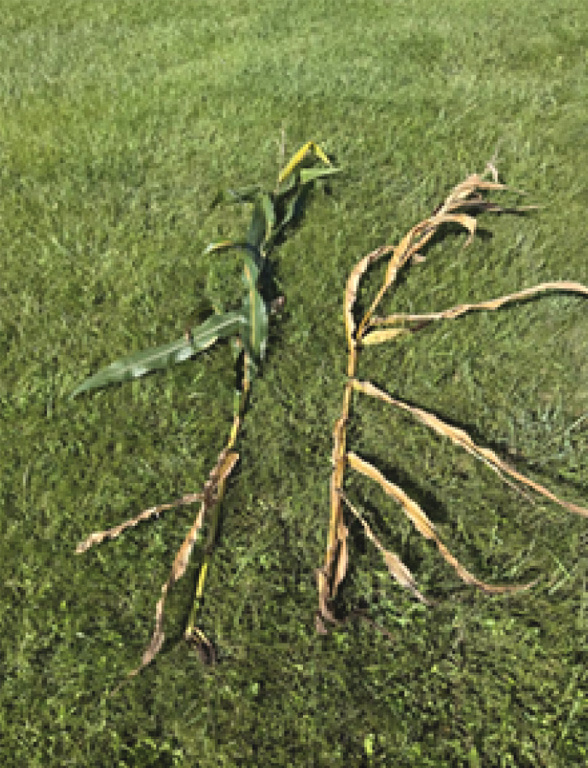
We've been out scouting and are starting to see crown and stalk rots show up, mainly in early April planted corn. Infected plants can appear fully senesced while neighboring plants still have green left. In the picture, the affected plant had reached black layer, while the healthier plant still had roughly 1/4 milk line remaining.
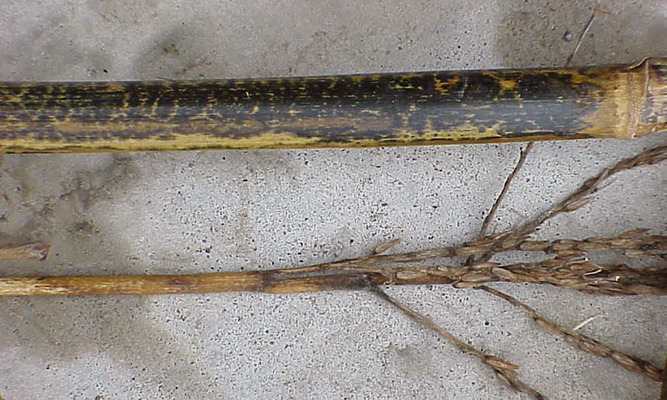
These infections occurred earlier in the season , but symptoms are becoming more noticeable as we progress through grain fill. As the plant puts energy into finishing the ear, stalk cannibalization can further weaken affected plants, leaving stalks brittle and more prone to lodging. Some hybrids are more susceptible than others.
We're also seeing anthracnose top dieback, where the upper portion of the plant dies prematurely.
As we get closer to harvest, fields showing these symptoms should be monitored closely and may need to be prioritized for harvest.
Explore Our Resources
We hope you’ll find these agricultural resources helpful.

Walking Your Fields® Newsletter
Walking Your Fields® newsletter connects you to your local Pioneer agronomist throughout the growing season. It provides quick and concise agronomic information to help add value to your overall farm management strategy.
Sign up to receive Walking Your Fields newsletter by email.
Reach Out: We’re Here for You!
Tell us how we can help you succeed. We’re ready to help!